

COMMERCIAL GROWTH & GO-TO-MARKET
IT'S NEVER BEEN EASIER TO LAUNCH. BUILDING A BUSINESS IS STILL THE HARD PART.
Conor Lynch and the Launchy team brought Dublin's entrepreneurial community together to share ideas, test thinking and make connections.
The evening was a reminder that launching a business is becoming easier. Attracting customers and building sustainable growth remains the bigger challenge.
8 min read | 13 October 2026
What the event showed
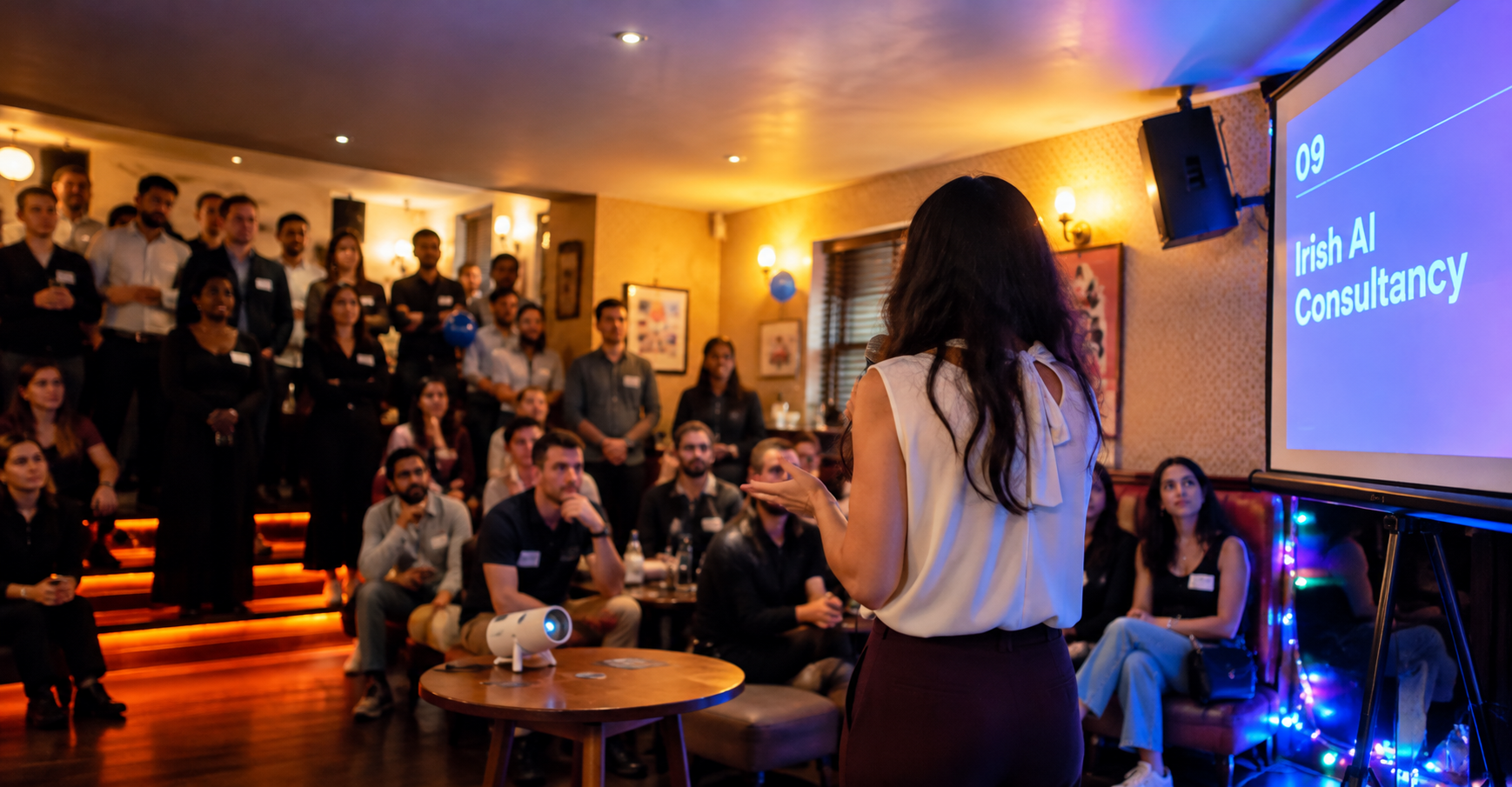
At Launchy #001 in Whelan's, Dublin, we saw 12 businesses take to the stage, each with around five minutes to introduce what they'd been working on.
The event, organised by Conor Lynch and the Launchy team, gave entrepreneurs something valuable: a room full of people willing to listen, ask questions, offer feedback and make connections.
The ideas were remarkably varied, spanning education, wellness, sports technology, AI services and consumer products.
What struck me wasn't any single business. It was the range of ideas being brought to market, and the willingness of founders to put their thinking in front of a live audience.
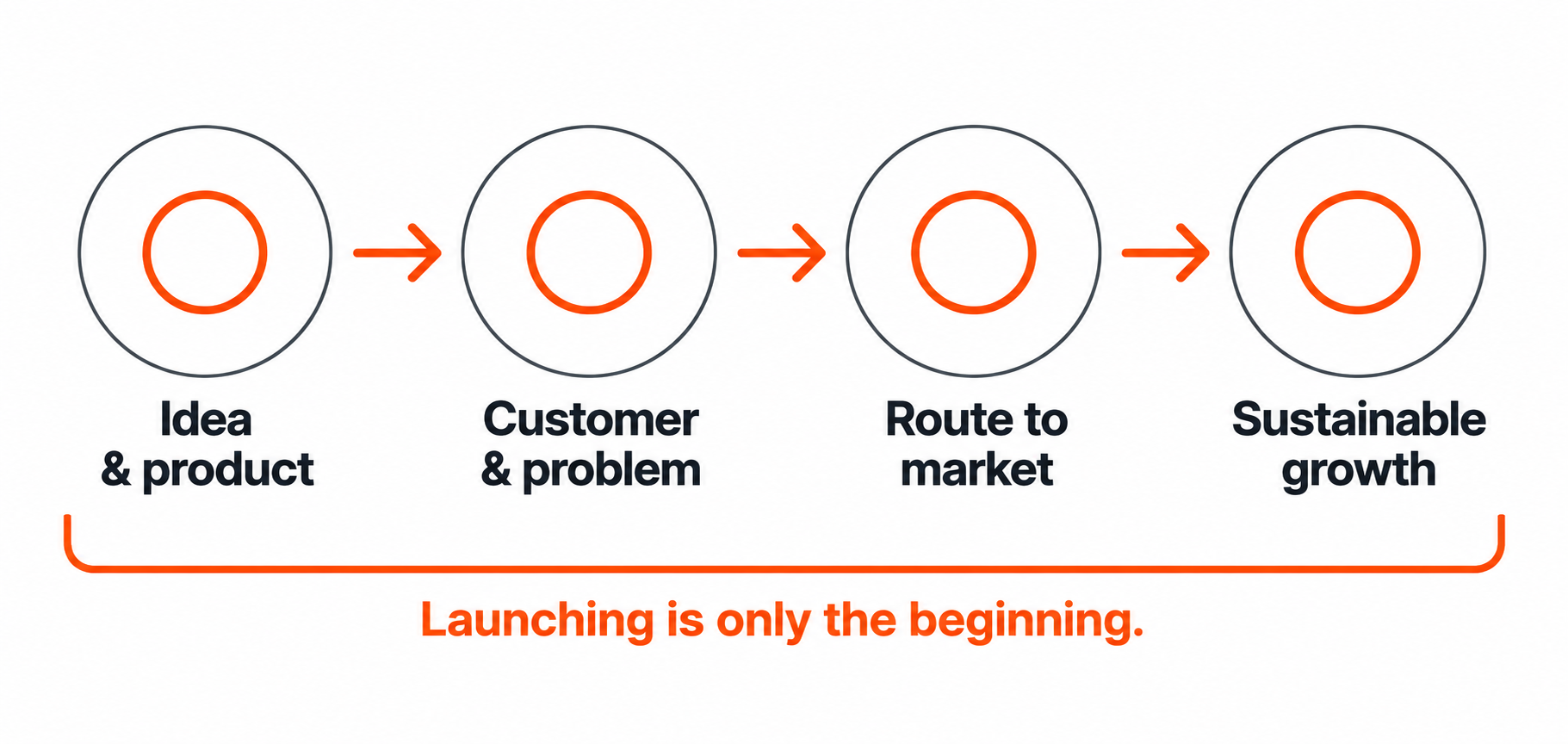
It was a reminder that launching something is only the beginning. Understanding whether it resonates with customers, and how to build a business around it, is the next challenge.
If it's getting easier to launch a business, what makes one successful?
When everyone can build, building isn't enough.
One of the encouraging things about Launchy was seeing entrepreneurs willing to put their ideas in front of an audience.
Developing a business takes commitment, and presenting it publicly creates opportunities for feedback, questions and connections that might not otherwise happen.
At the same time, AI, no-code platforms and accessible digital tools are making it easier to turn ideas into products and services.
That's a positive development. More people can experiment, test ideas and bring something new to market.
But having a product doesn't necessarily mean there's a market for it.
The harder questions are often commercial ones: Who is the customer? What problem matters enough for them to act? How will you reach them? And why would they choose your business over the alternatives?
The ability to launch is becoming more accessible. The ability to attract and retain customers is still what builds a business.
A good product still needs a commercial strategy.
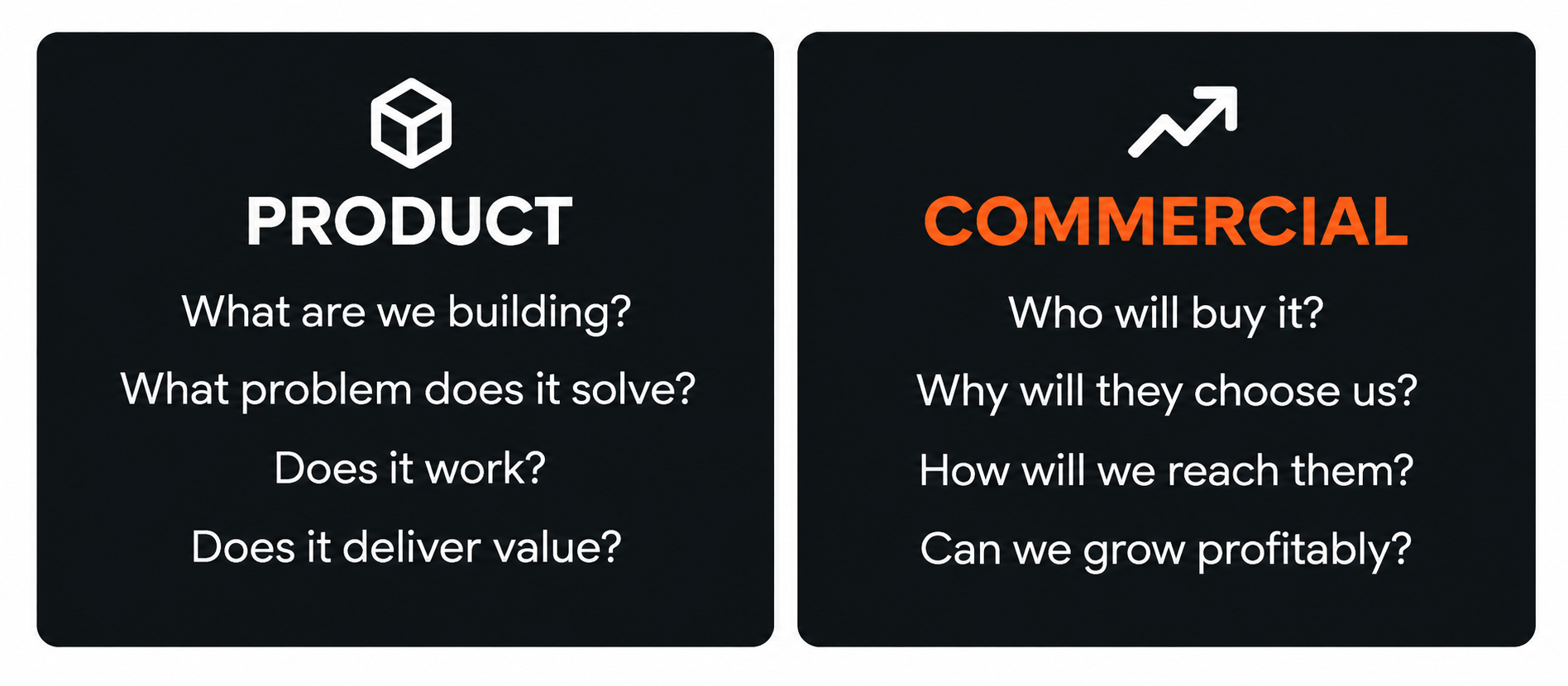
A good product creates value. A commercial strategy turns that value into a sustainable business.
One of the interesting things about the Launchy format was that founders had only a few minutes to explain their businesses.
That's a useful exercise in itself. When time is limited, you need to be clear about the problem you're solving, who you're solving it for and why someone should care.
And those are questions that matter long after the presentation is over.
A good product is only part of the equation.
You also need to understand who is most likely to buy it, what alternatives they're considering, how you'll reach them and what will persuade them to act.
Marketing, sales, pricing, positioning and customer experience shouldn't simply be activities to think about once the product is ready. They can help shape the business from an early stage.
The objective isn't just to build something people might want. It's to develop a business that can consistently attract customers, deliver value and generate sustainable revenue.
A launch is the beginning of GTM, not the end.
Launching a product is an important milestone. But it doesn't necessarily mean you've established a reliable way to attract and retain customers.
That's where go-to-market strategy becomes important.
It's about understanding who your customers are, how to reach them, what converts their interest into sales and what keeps them coming back.
And these activities need to work together.
An effective marketing campaign means little if enquiries aren't converting. Equally, acquiring customers is only part of the challenge if they don't stay.
Sustainable growth comes from connecting these activities, understanding what's working and continually improving the customer journey.
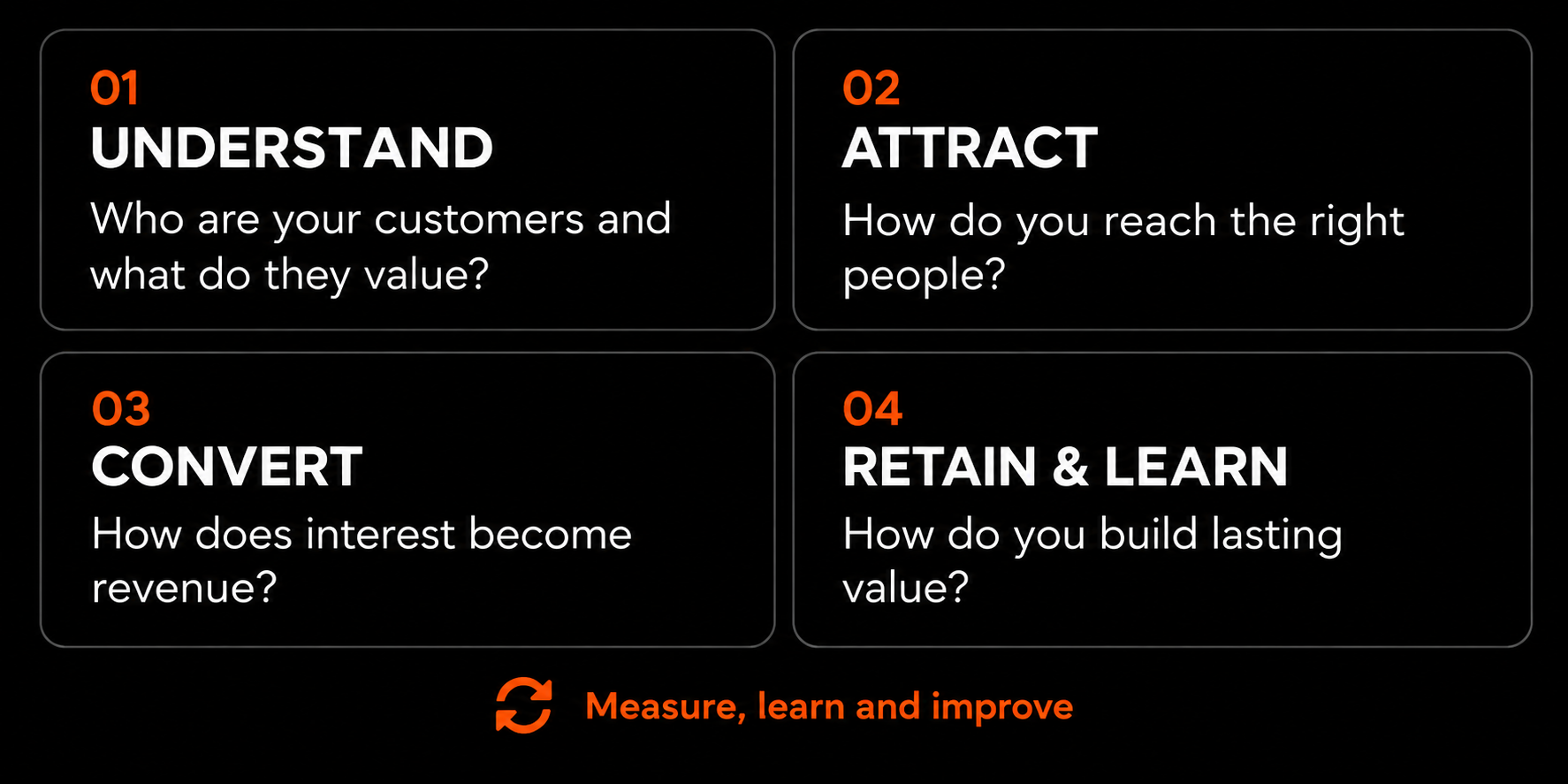
Launching creates the opportunity. Connecting the customer journey creates the conditions for sustainable growth.
Launching creates an opportunity. Building a business takes more.
Understanding your customers, earning their trust and building lasting demand is what turns an initial idea into a sustainable business.

Showing up matters too.
One of the things I appreciated about Launchy was the opportunity it created for conversations beyond the presentations.
It's one thing to develop an idea and explain it on a website. It's another to stand in front of a room, talk about what you're building and hear how people respond.
That kind of feedback can be incredibly useful, particularly when a business is still finding its feet.
And sometimes the most valuable conversations happen afterwards, when people have an opportunity to ask questions, share experiences or make an introduction.
Credit to Conor Lynch and everyone involved in putting Launchy together. Creating a platform where entrepreneurs can share their ideas, make connections and learn from the people in the room is a valuable contribution to Dublin's startup community.
Innocent and I enjoyed being part of the first event, and I'm looking forward to seeing how Launchy develops.
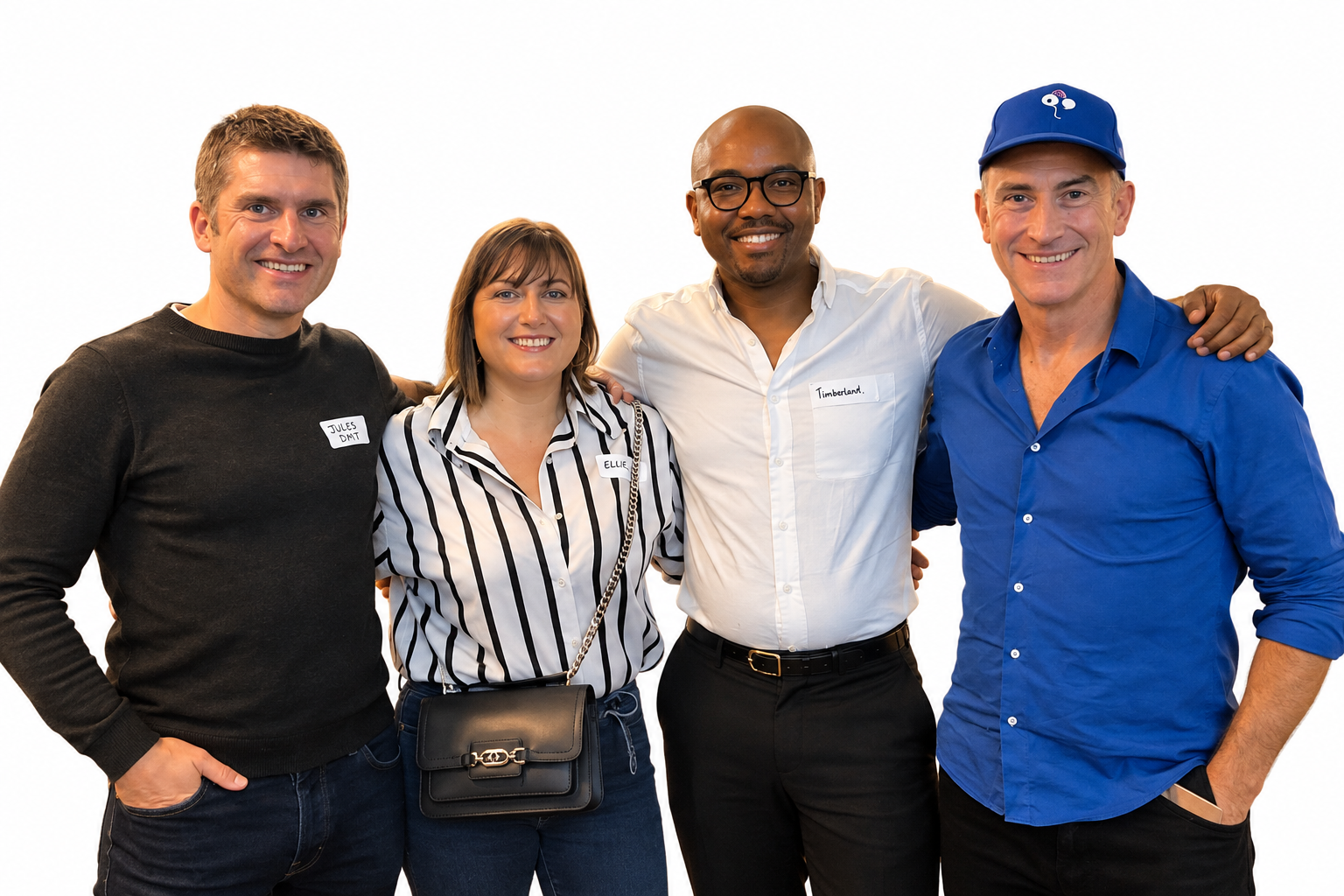
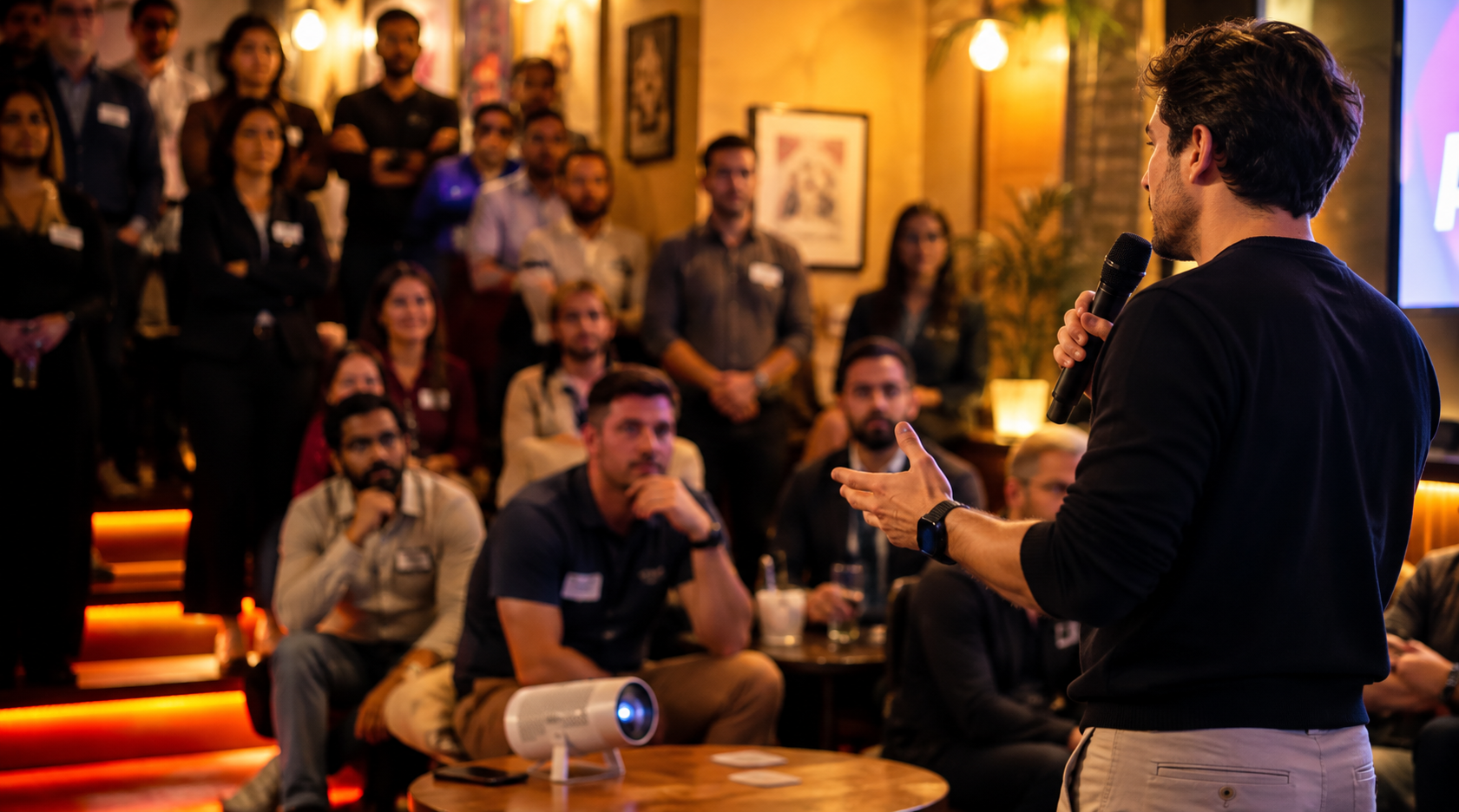
At Launchy #001 in Dublin with Innocent Chapisa and Launchy founder Conor Lynch.
Sustainable growth requires more than a good idea.
Launching a business is an achievement. But building something sustainable requires a clear understanding of where the real commercial opportunities lie.
It's about understanding your customers, identifying what matters most and focusing your resources where they can make the biggest difference.
That might mean refining your proposition, improving how you attract customers, addressing gaps in conversion or finding ways to increase repeat business.
And it doesn't necessarily mean doing more. Often, it's about making better decisions about what to do next.
That's the thinking behind how we approach commercial growth at DMT: Understand. Prioritise. Transform.
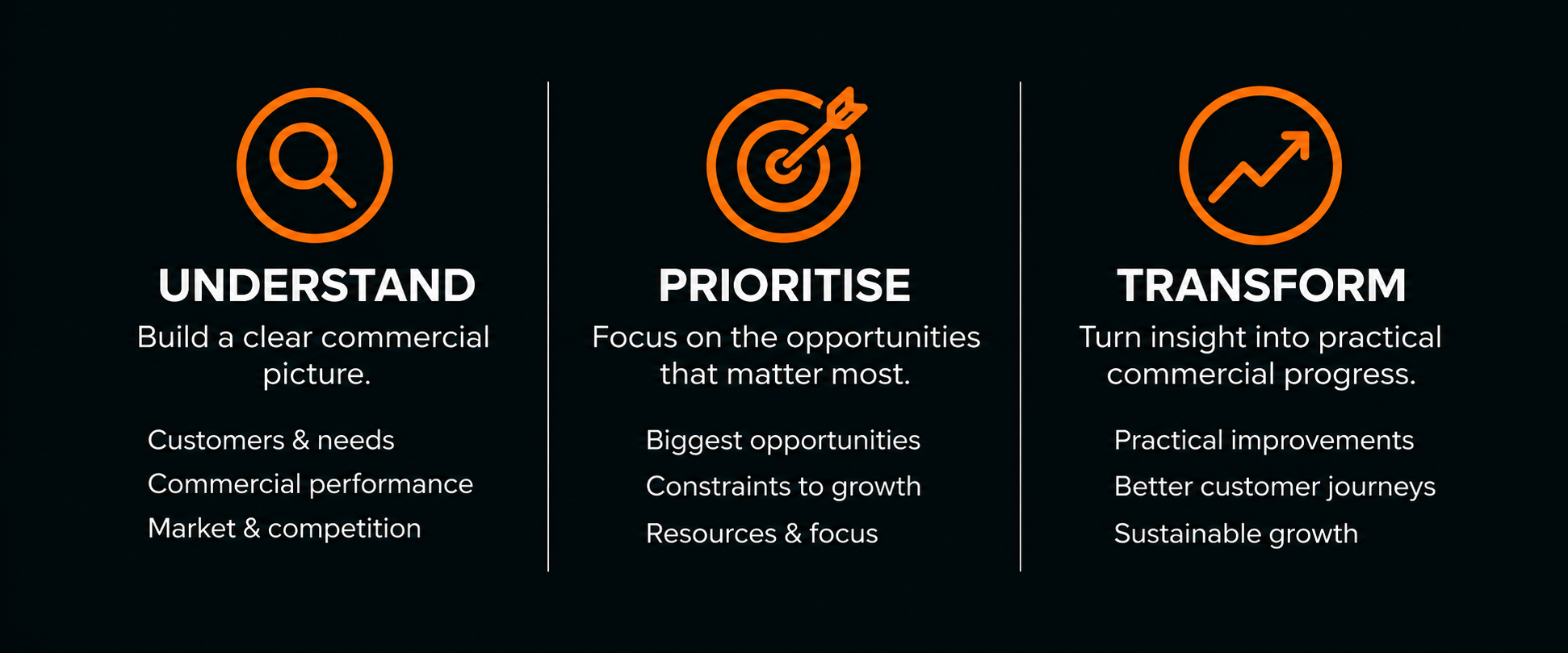
The ideas are there. What happens next matters.
What I took away from Launchy wasn't a particular product or pitch. It was the energy in the room and the number of people willing to take an idea and do something with it.
That's encouraging, particularly at a time when technology is making it possible for more people to create and launch businesses.
Of course, not every idea will become a successful business. And the challenges founders face will be different depending on their market, their customers and the stage they're at.
But that's also what makes the journey interesting. The original idea is rarely the finished business. It's what founders learn, change and improve along the way that often makes the difference.
I'm looking forward to seeing where some of the businesses we heard from at Launchy #001 go next.
Every business starts with an idea.
What matters is what you learn, adapt and build from there.
Continue the conversation
If you're building a business and thinking about how to attract customers, turn interest into sales or create more sustainable growth, I'd be happy to have a conversation about the opportunities and challenges you're facing.